
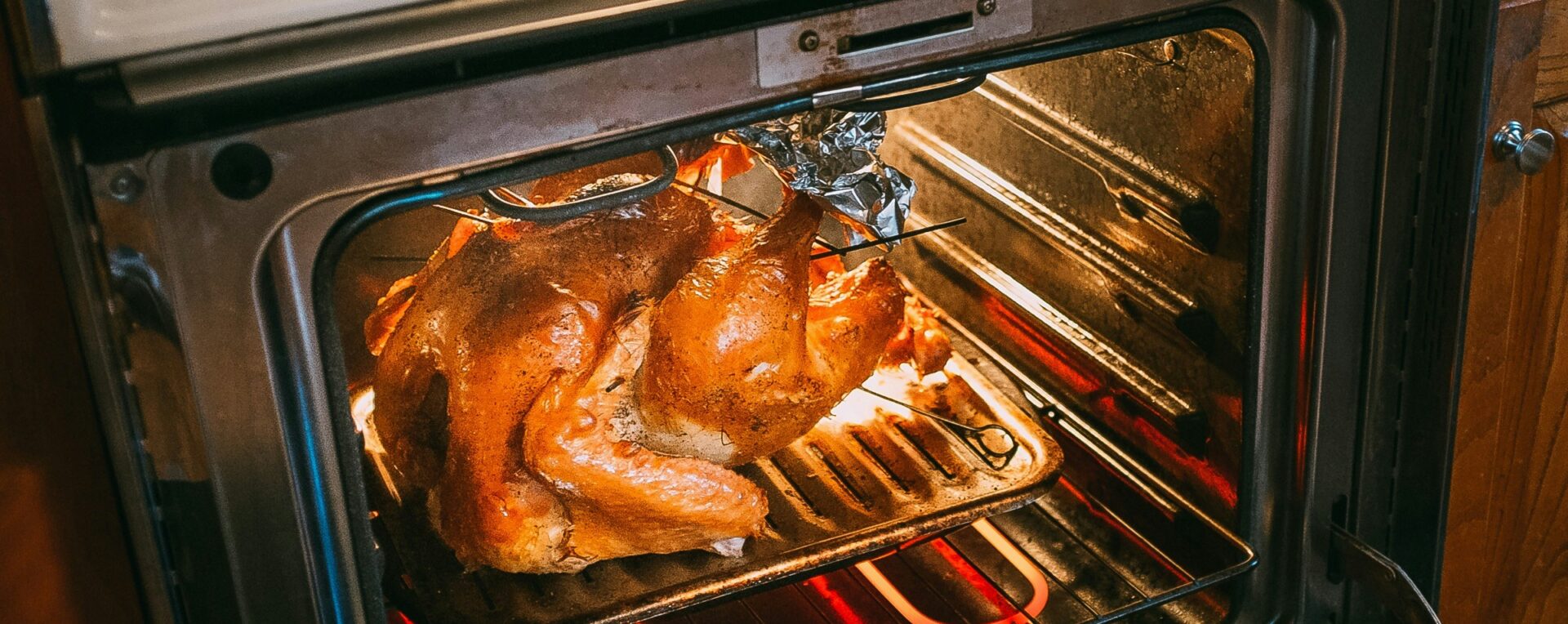
Thanksgiving is one of the busiest days of the year for your kitchen. Between roasting a turkey, warming side dishes, blending ingredients, and running countertop appliances, your electrical system may be working harder than usual. When multiple high-powered appliances operate at the same time, overloaded circuits can cause breakers to trip, interrupting your cooking and potentially signaling an electrical problem.
For homeowners preparing for the holiday, understanding how to manage kitchen electrical loads can help prevent disruptions and keep everyone safe. If your breakers trip repeatedly, a qualified electrician can inspect your electrical system and identify the underlying cause before the holiday rush.
Why Thanksgiving Appliances Can Overload Kitchen Circuits
Kitchen appliances draw different amounts of electricity, and several high-wattage devices operating on the same circuit can exceed its safe capacity. In a typical 120-volt kitchen circuit, a 1,500-watt appliance draws about 12.5 amps. That can use a substantial portion of a 15-amp circuit or much of a 20-amp circuit, especially when other devices are running.
Here are some common Thanksgiving appliances that can contribute to overloaded circuits:
- Electric ovens and ranges: Electric ovens use substantial power, particularly while heating up. Depending on the appliance and installation, they may require a dedicated, higher-capacity circuit.
- Microwaves: Many countertop and over-the-range microwaves draw considerable current while operating. Running one alongside other high-wattage appliances can overload a shared circuit.
- Air fryers and toaster ovens: These popular countertop appliances often draw around 1,200 to 1,800 watts, making them significant electrical loads.
- Coffee makers and electric kettles: Heating water requires substantial power, and these appliances can push a heavily loaded circuit beyond its capacity.
- Slow cookers and electric roasters: Although some models draw less power than other heating appliances, running several simultaneously can add up.
- Dishwashers and refrigerators: Dishwashers use power for heating water and drying, while refrigerators cycle on and off throughout the day. Their electrical demands can contribute to an already busy kitchen circuit.
The issue is not simply how many appliances are plugged in. It is how much electricity they draw, which circuits supply them, and whether the electrical system is properly designed for those loads.
Practical Ways to Prevent Tripped Breakers on Thanksgiving
A few simple precautions can reduce the risk of an overloaded circuit while keeping your holiday meal on schedule.
1. Avoid Running Multiple High-Wattage Appliances on One Circuit
If your microwave, air fryer, toaster oven, and coffee maker share a circuit, using them all at once may exceed its capacity. Spread out cooking tasks when possible, and avoid operating several high-power appliances simultaneously on the same circuit.
Remember that plugging an appliance into a different outlet does not necessarily put it on a different circuit. If you are unsure which outlets share a circuit, an electrician can help identify them.
2. Check Appliance Requirements Before the Holiday
Review appliance manuals for wattage, amperage, and circuit requirements. Large appliances, including electric ranges and ovens, typically have specific electrical requirements that must be met.
Never assume that a standard receptacle or existing circuit can safely support a new appliance. If you are planning to add an air fryer oven, electric roaster, or another high-powered device to your holiday setup, verify that your electrical system can handle the additional load.
3. Keep Electrical Connections Safe
Avoid using extension cords or power strips to supply high-wattage heating appliances unless the appliance manufacturer and applicable electrical requirements explicitly permit the arrangement. Never daisy-chain power strips or overload outlets.
Keep cords away from hot surfaces, water, and areas where people could trip over them. Stop using outlets that feel unusually warm, produce a burning smell, spark, or show discoloration.
4. Plan Your Cooking Schedule
Staggering appliance use is a simple way to reduce peak electrical demand. For example, prepare coffee before turning on the air fryer, or finish reheating side dishes before starting another high-powered countertop appliance.
A little planning can help you avoid unnecessary interruptions when the kitchen is busiest.
What Should You Do If Your Kitchen Breaker Keeps Tripping?
A circuit breaker is a safety device designed to interrupt electricity when it detects an overload or certain electrical faults. An occasional trip may occur when too many appliances are running on the same circuit, but repeated trips should never be ignored.
If a breaker trips during Thanksgiving preparations, follow these steps:
- Turn off the affected appliances. Unplug or switch off appliances on the circuit if it is safe to do so. Do not touch damaged cords or equipment that may be energized and unsafe.
- Check for an obvious overload. Consider whether several high-wattage appliances were running simultaneously. Reduce the load before attempting to restore power.
- Reset the breaker only if it is safe. Follow the panel manufacturer’s instructions. If there is no sign of damage, heat, smoke, or burning, and you can safely access the panel, a single reset may be appropriate after reducing the load.
- Stop if the breaker trips again. Do not repeatedly reset it, hold it in position, or replace it with a higher-amperage breaker. The circuit may have a fault, damaged wiring, an appliance problem, or an underlying capacity issue.
- Contact a licensed electrician. A professional can determine whether the problem involves circuit overload, a faulty appliance, a damaged breaker, loose connections, or an electrical system that needs upgrading.
If you notice smoke, a burning odor, buzzing accompanied by heat, visible arcing, or a hot or discolored electrical panel, stop using the affected circuit. If there is smoke or fire, leave the area and call 911. Do not attempt to troubleshoot a potentially dangerous electrical fault yourself.
Prepare Your Kitchen for a Safer Thanksgiving
A reliable electrical system helps keep Thanksgiving cooking running smoothly, but safety should always come first. Avoid stacking high-powered appliances on the same circuit, review appliance requirements, and pay attention to warning signs such as recurring breaker trips, warm outlets, and burning odors.
If your kitchen breaker repeatedly trips or your electrical system struggles whenever several appliances run at once, don’t wait until Thanksgiving morning to investigate. A professional electrical inspection can help identify the problem and determine the safest solution for your home.
Call us today at 609-581-0788
Email us at office@mccabeelectric.net
Let us help you stay connected.
.